Chat with Aquaria
Interested learning more about our products? Call us and we’ll connect you with the right product expert.
+1 888-589-4605
Interested learning more about our products? Call us and we’ll connect you with the right product expert.
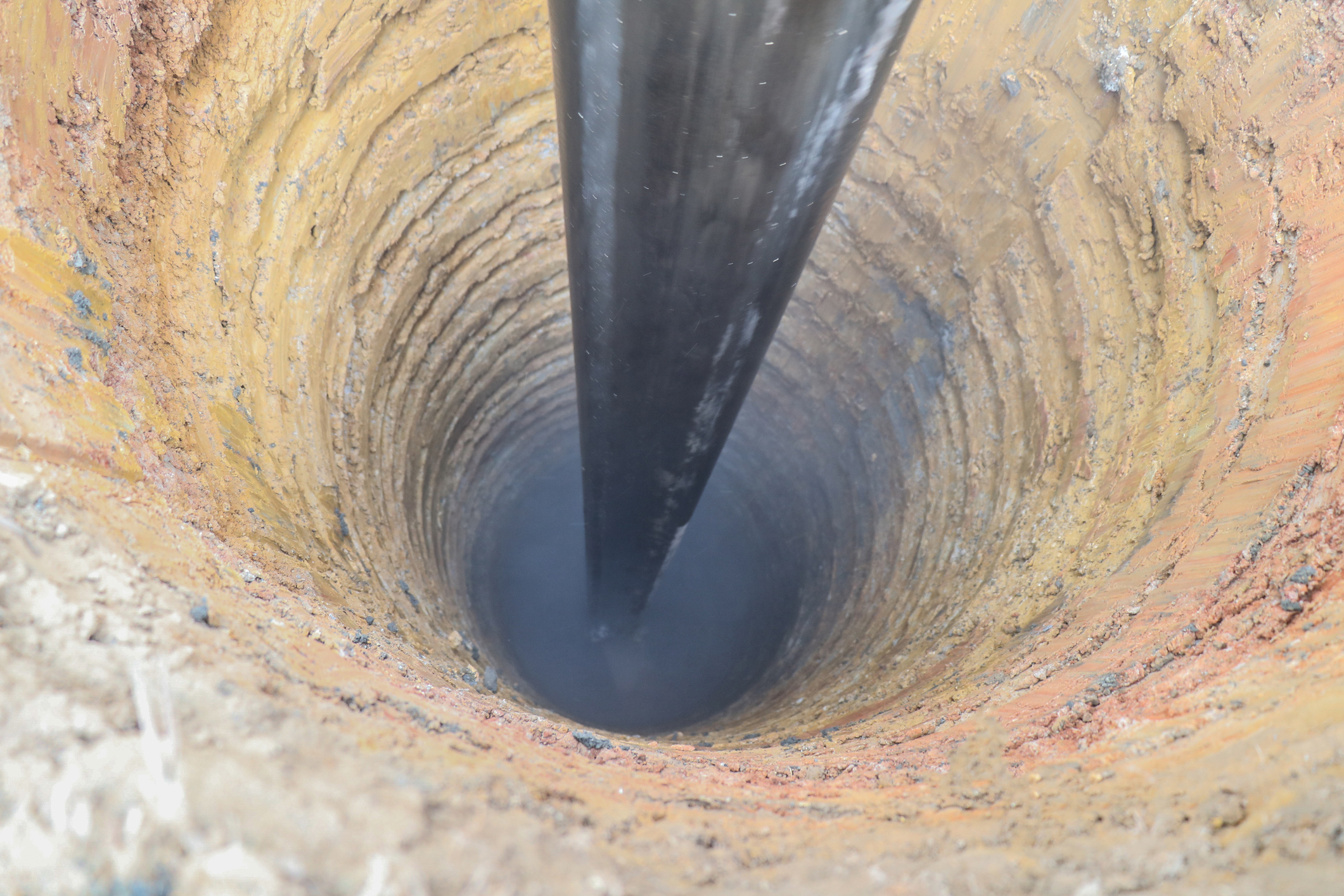
Most well water problems can be fixed with a filter. A small but important number can't, because the contamination isn't in the plumbing, it's in the aquifer. Here's how to tell which is which, what to test for, and what to do when filtration has hit its ceiling.
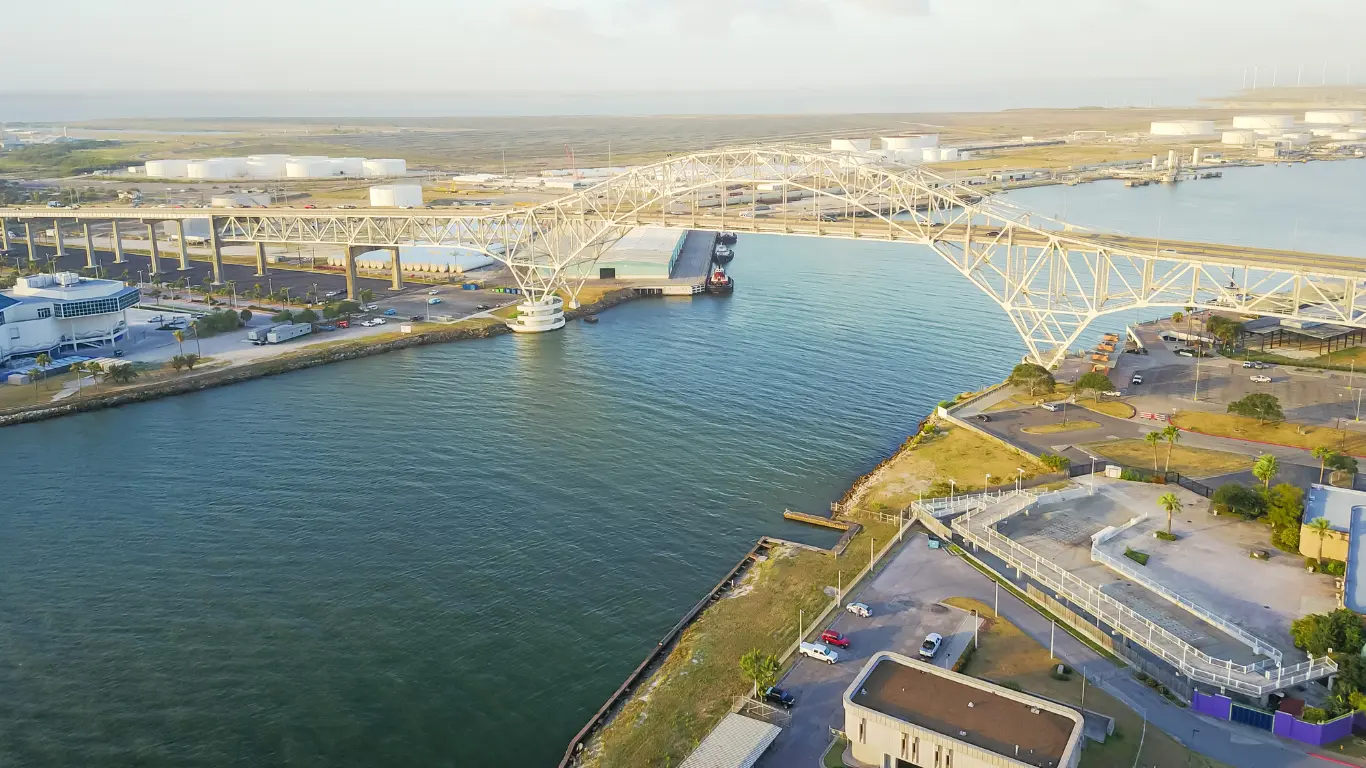
Corpus Christi water rates are climbing, and city officials say more increases are coming, possibly as soon as October 2026. Homeowners are now looking for ways to add their own resilience. Here's what's changing, and how an on-site water source fits into the plan.

Forty million Americans drink from private wells nobody is required to test. Another 27% of U.S. public water systems had a violation in 2022. A whole-house water solution closes the gap — here's how to choose between the five 2026 categories.

If you've just learned PFAS may be in your tap water, three things matter: test to confirm what's there, choose a filter matched to those contaminants, and ask whether filtering your existing supply is the right long-term answer at all. The first two are well covered. The third rarely is.
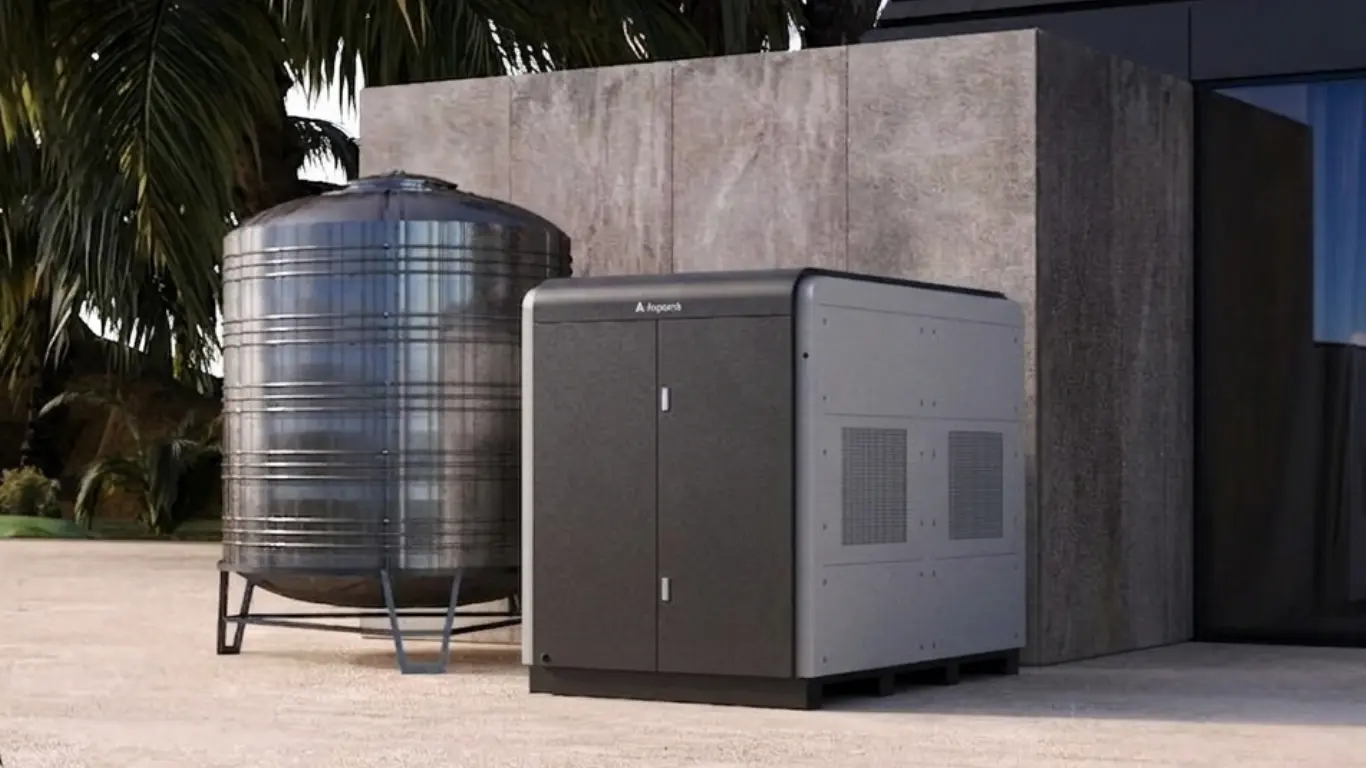
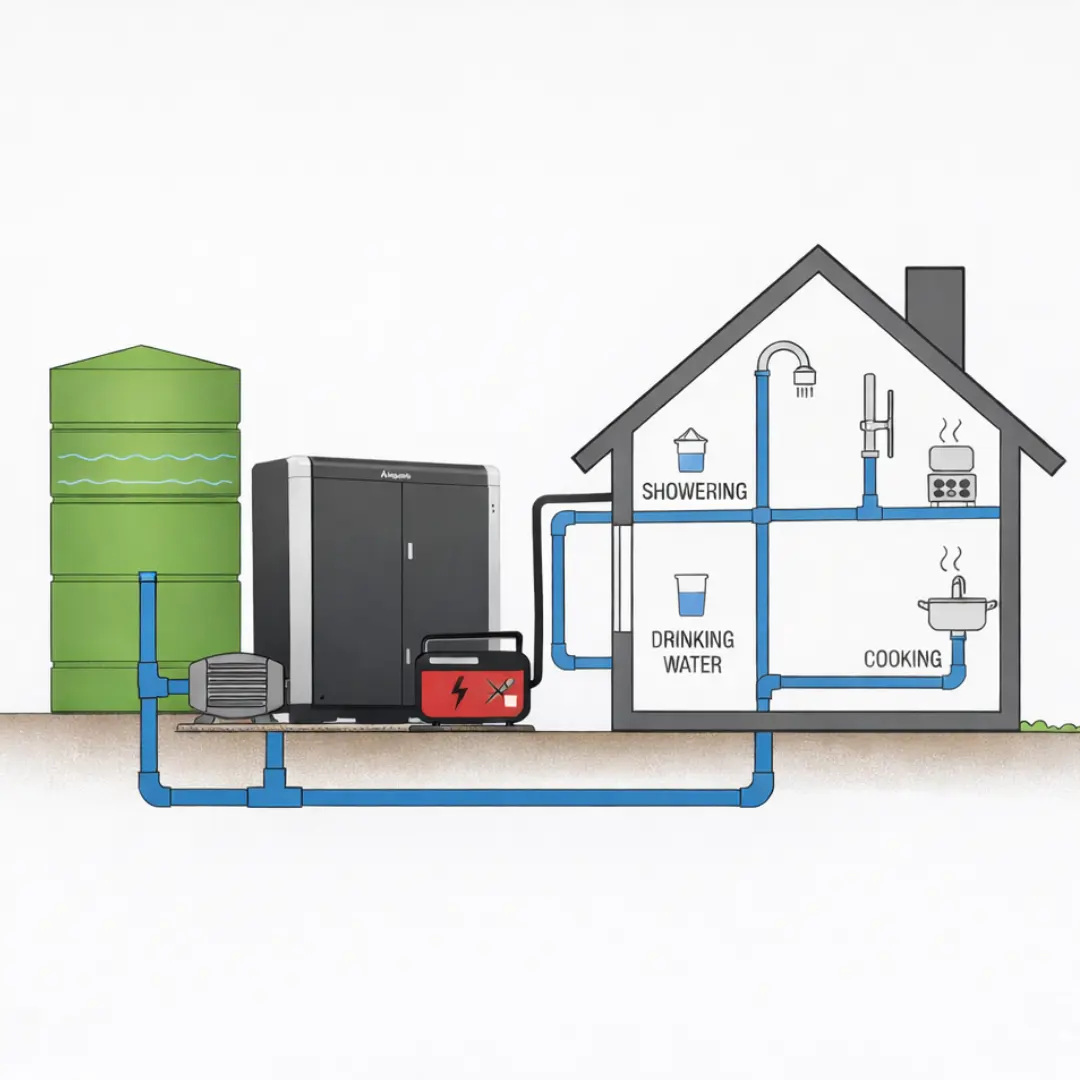
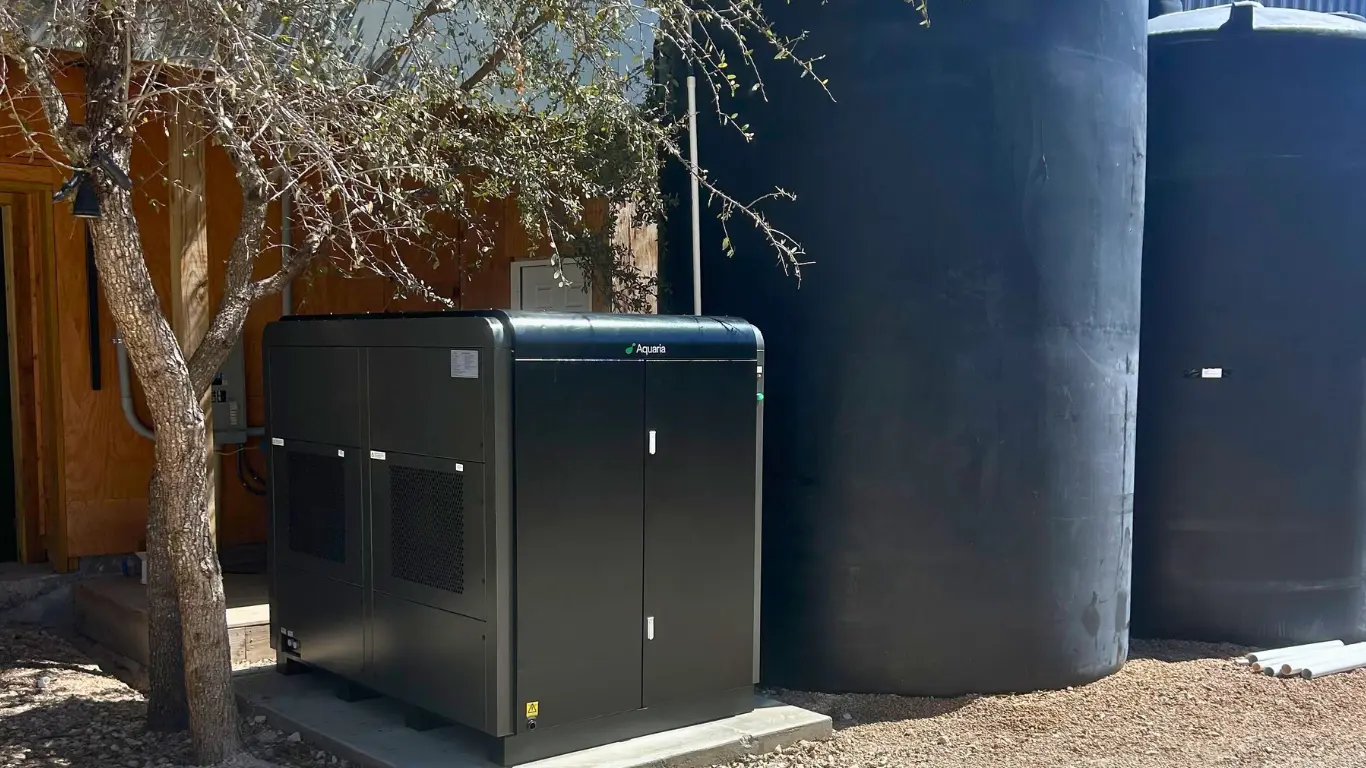
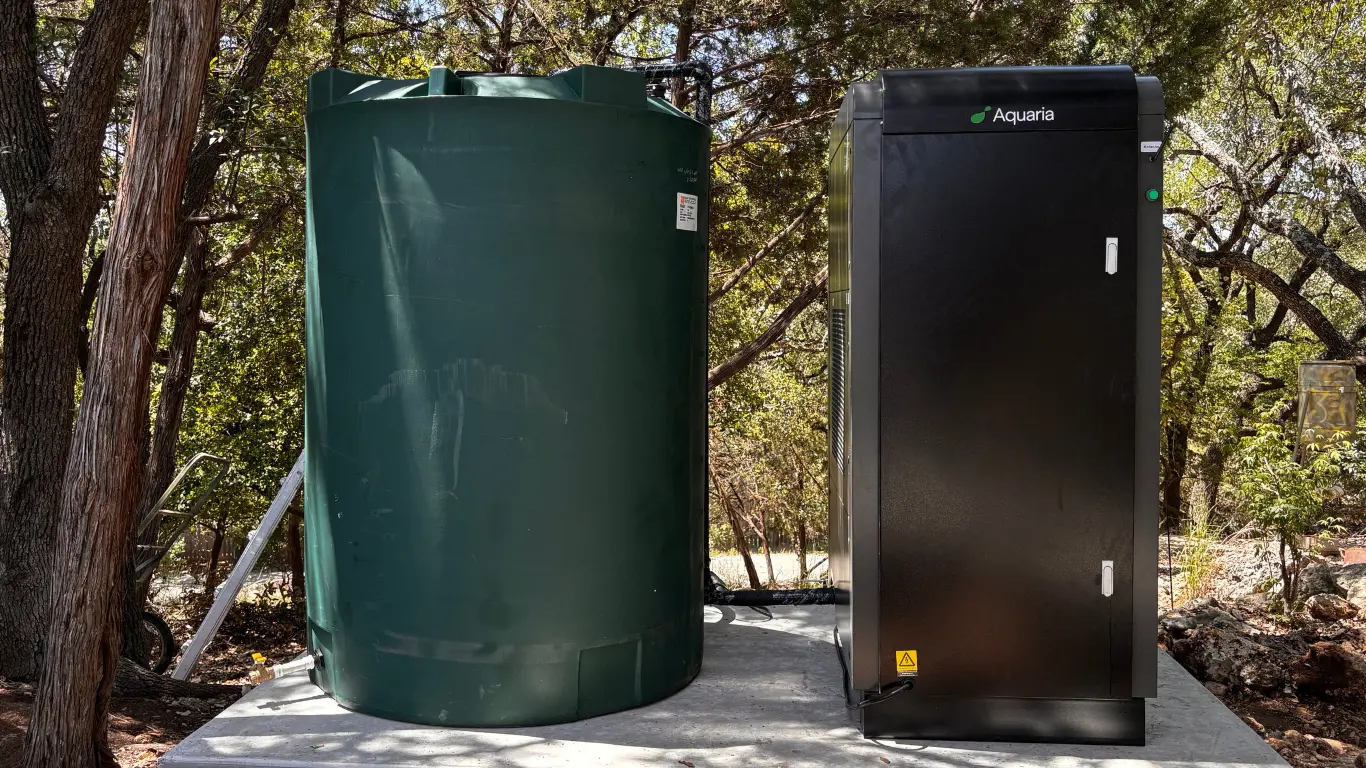
Atmospheric water generators pull drinking water from humidity in the air. The technology has matured, and the question for most Texas homeowners is no longer whether AWG works, but whether the math works for their situation. Here's how to think it through.
For as little as $0 upfront.
Hi there! I'm Aquaria Chat, your AI Assistant. How can I help you today? 😃